Finance Basics: Index Funds Explained
Index Funds Explained
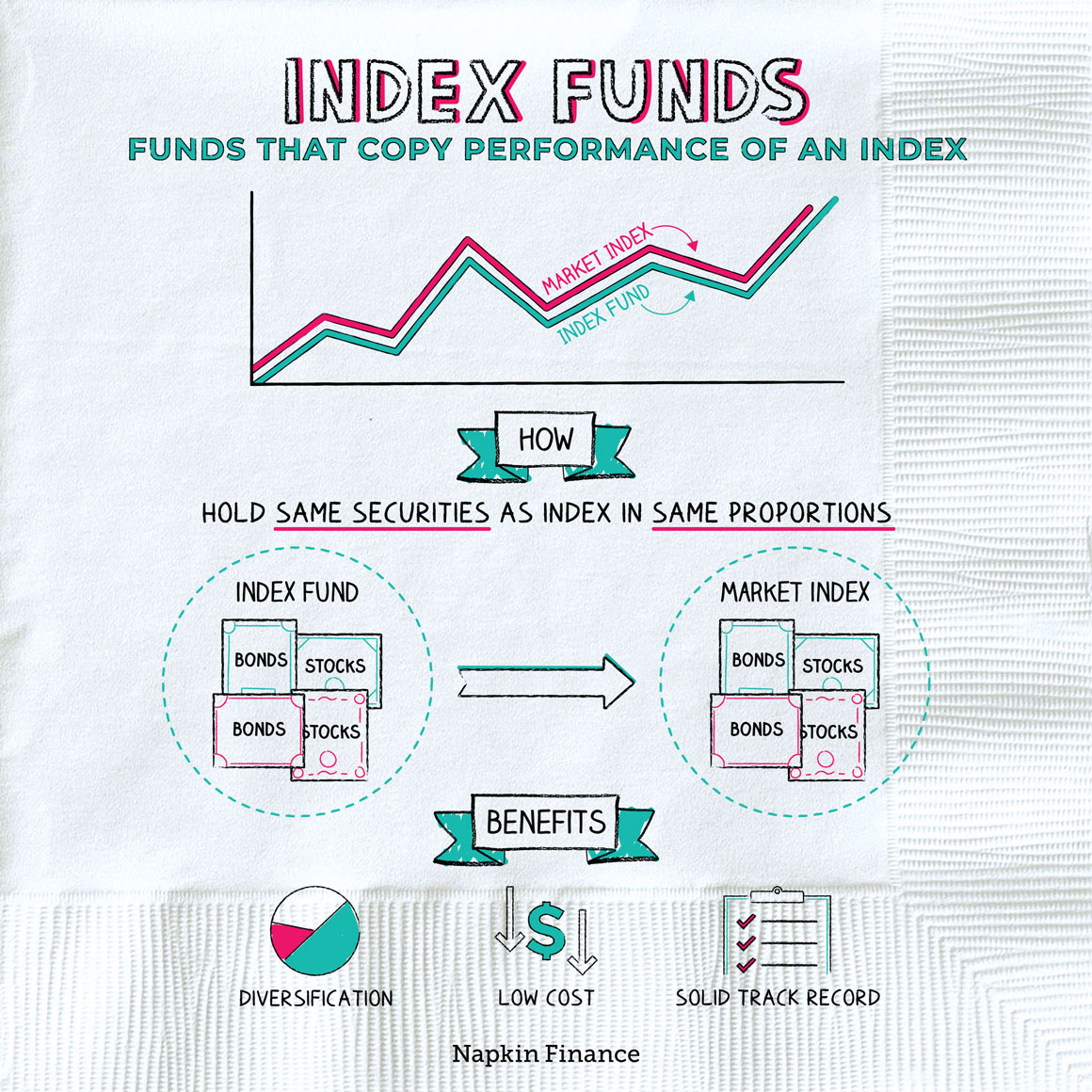
Index funds offer a straightforward approach to investment, designed to mirror the performance of a specific market index. Instead of actively selecting individual stocks, an index fund passively holds all or a representative sample of the securities within its target index. This strategy aims to achieve returns that closely track the overall market, minimizing the potential for underperformance associated with active fund management.
Economic Significance
The economic impact of index funds is considerable, particularly in terms of market efficiency and cost reduction for investors. By passively allocating capital across a broad range of securities, index funds reduce the incentive for managers to engage in potentially unproductive activities, such as excessive trading. Furthermore, the low expense ratios associated with index funds have driven down the cost of investing for individuals and institutions alike. The increasing popularity of index funds, evidenced by the substantial inflows into these vehicles over the past two decades, has demonstrably shifted the landscape of asset management, challenging the dominance of actively managed funds and fostering greater price discovery within financial markets. Estimates suggest that passive investment strategies, dominated by index funds, now account for a significant share of total assets under management globally, influencing trading volumes and market liquidity.
Practical Example
Consider an investor wishing to gain exposure to the U.S. equity market. Instead of painstakingly researching and selecting individual stocks, the investor could purchase shares in an S&P 500 index fund. This fund would hold stocks of the 500 largest publicly traded companies in the United States, weighted according to their market capitalization. The fund's performance would closely track the S&P 500 index. If the S&P 500 rises by 10%, the index fund, net of its expense ratio, would be expected to rise by approximately the same percentage. The investor benefits from instant diversification across a broad range of companies, without the need for extensive research or active management. Dividend income generated by the underlying stocks is typically passed on to the fund's shareholders.
Data Analysis
The characteristics of index funds are summarized below:
| Concept | Strategy | Cost |
|---|---|---|
| S&P 500 | Buy whole market | Very Low Fees |
| Diversification | Don't pick winners |
This table highlights several key aspects of index fund investing. The reference to the S&P 500 exemplifies a common type of index fund, focusing on large-cap U.S. equities. The "buy whole market" strategy underscores the passive nature of these funds, aiming to replicate the index's composition. "Don't pick winners" reflects the absence of active stock selection, and the "very low fees" are a defining feature, often significantly lower than those of actively managed funds. The built-in diversification inherent in holding a broad basket of stocks reduces unsystematic risk, mitigating the impact of any single company's performance on the overall portfolio.
Pros and Cons
Pros:
- Diversification: Immediate exposure to a wide range of securities.
- Low Cost: Expense ratios are typically significantly lower than actively managed funds.
- Transparency: Holdings are typically disclosed regularly, allowing investors to understand the fund's composition.
- Tax Efficiency: Lower turnover generally results in fewer taxable events compared to actively managed funds.
- Simplicity: Easy to understand and implement, even for novice investors.
Cons:
- Market Returns: Index funds will only achieve market returns, not outperform the market.
- No Downside Protection: Index funds will decline in value when the underlying index declines.
- Lack of Flexibility: The fund's composition is determined by the index, limiting the manager's ability to adapt to changing market conditions.
- Market-Cap Weighting Issues: Overweighting of overvalued companies, underweighting of undervalued ones.
Strategic Conclusion
Index funds provide a valuable tool for investors seeking broad market exposure at a low cost. Their passive management style offers diversification and transparency, making them suitable for both beginners and experienced investors. While index funds will not outperform the market, their consistent tracking and low fees can contribute to long-term investment success. However, investors should be aware of the limitations, including the inability to avoid market downturns and the inherent constraints of replicating a specific index. Therefore, index funds are best considered as a core component of a well-diversified portfolio, rather than a standalone investment solution. Careful consideration of an investor's risk tolerance, investment goals, and time horizon remains crucial in determining the appropriate allocation to index funds.
Share this Analysis