Finance Basics: Gold and Commodities
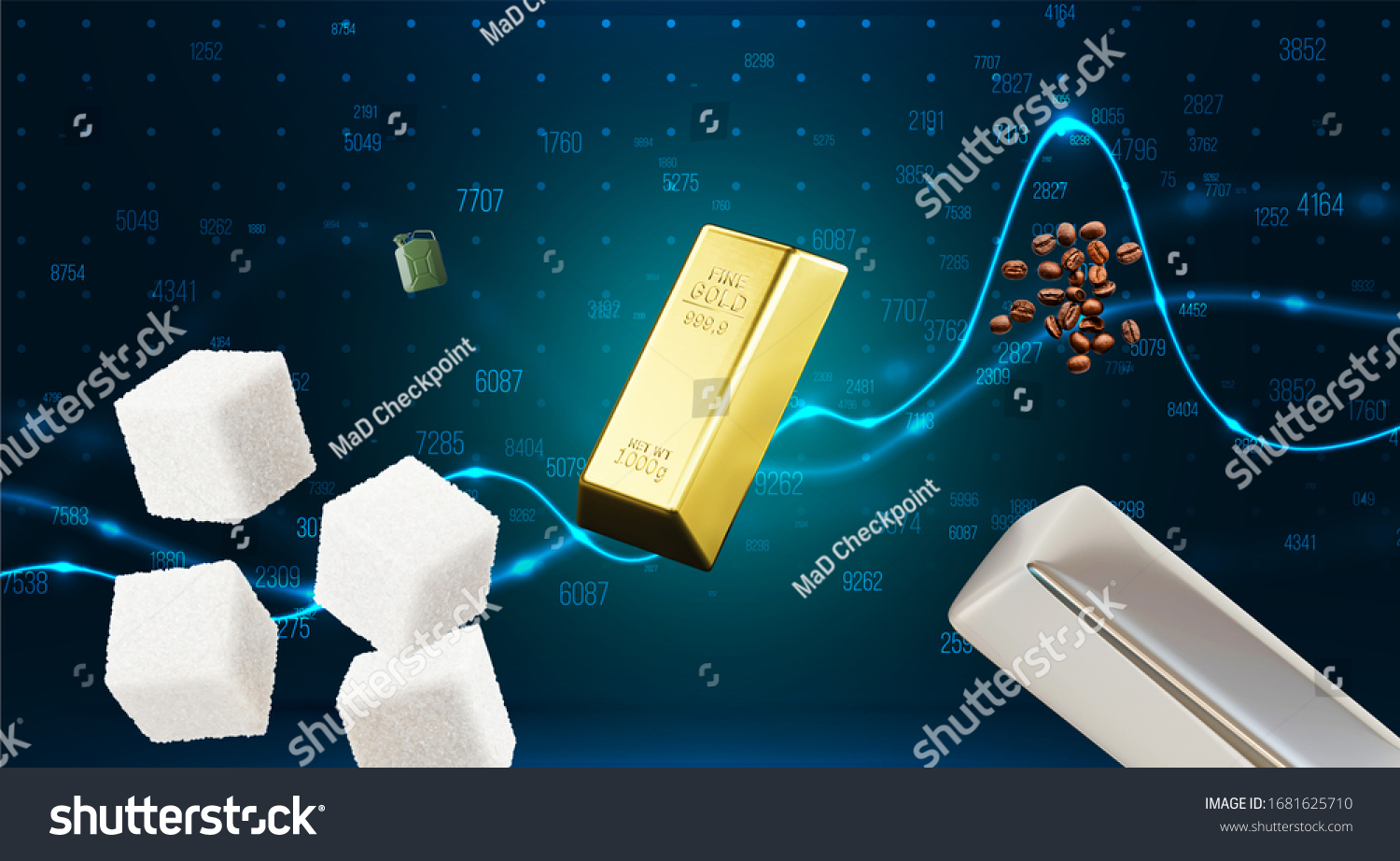
Gold and commodities represent significant, albeit distinct, aspects of the global financial landscape. Understanding their individual characteristics and interconnectedness is crucial for investors and anyone seeking to navigate the complexities of modern finance.
Definition
Gold is a precious metal valued for its relative scarcity, durability, and aesthetic appeal. It is often considered a safe-haven asset, meaning its value tends to hold steady or even increase during periods of economic uncertainty or market volatility. Commodities, on the other hand, are raw materials or primary agricultural products that can be bought and sold, such as oil, wheat, and copper. They are essential inputs for manufacturing, energy production, and food production.
Economic Significance
Gold's significance stems from its historical role as a store of value and a medium of exchange. While no longer directly backing major currencies, central banks still hold substantial gold reserves. Commodities are vital to economic activity. Fluctuations in commodity prices can have a cascading effect, impacting inflation, corporate profitability, and consumer spending. For instance, rising oil prices can lead to higher transportation costs, impacting the price of goods and services across various sectors. Declining wheat production due to drought can lead to increased food prices, potentially fueling social unrest.
Practical Example
Consider a scenario involving escalating geopolitical tensions in the Middle East. Concerns about supply disruptions in oil-producing regions trigger a surge in crude oil prices. Simultaneously, investors, seeking refuge from the market turmoil, flock to gold, driving its price upwards. This scenario highlights the contrasting, yet sometimes parallel, behavior of these asset classes. The increase in oil prices, a commodity, directly impacts transportation and production costs, potentially leading to inflationary pressures. The increased demand for gold, a perceived safe-haven, underscores its role as a hedge against uncertainty. Conversely, a period of sustained global economic growth, fueled by technological innovation and increased productivity, might lead to increased demand for industrial metals like copper, while simultaneously reducing the appeal of gold as a safe-haven asset.
Data Analysis
| Asset | Role | Driver |
|---|---|---|
| Gold | Store of Value / Hedge | Fear / Inflation |
| Oil | Economic Fuel | Global Growth |
| Wheat | Essential Food | Weather / Supply |
The table provides a concise overview of the key characteristics of gold, oil, and wheat. Gold's primary role is as a store of value and a hedge against economic instability. Its price is largely driven by fear, uncertainty, and inflation expectations. Oil serves as a crucial economic fuel, and its demand is closely tied to global economic growth. Increased economic activity translates to higher energy consumption, driving up oil prices. Wheat, being an essential food, is primarily driven by weather patterns and supply-side factors. Adverse weather conditions or supply chain disruptions can lead to significant price increases. This data illustrates the unique roles each asset plays in the broader economic landscape, influenced by distinct drivers.
Pros and Cons
Gold:
- Pros: Acts as a hedge against inflation and currency devaluation, preserves wealth during economic downturns, offers portfolio diversification.
- Cons: Does not generate income (no dividends or interest), storage costs can be significant, price volatility can occur, especially in short term.
Commodities (Oil, Wheat as examples):
- Pros: Potential for high returns during periods of high demand or supply constraints, offers portfolio diversification, can act as a hedge against inflation (particularly for energy-related commodities).
- Cons: Highly volatile due to factors like weather, geopolitical events, and supply chain disruptions, can be complex to trade (futures contracts, etc.), storage and transportation costs can be significant (for physical commodities).
Strategic Conclusion
Gold and commodities each serve distinct purposes within an investment portfolio. Gold offers a safety net during periods of economic uncertainty, while commodities provide exposure to economic growth and specific sectors. The choice of whether to invest in either or both depends on individual risk tolerance, investment objectives, and a thorough understanding of macroeconomic trends. While gold can provide stability, it offers limited growth potential. Commodities, on the other hand, offer the potential for higher returns but come with significantly greater risk. A balanced approach, carefully considering the specific characteristics of each asset class and the prevailing economic environment, is crucial for successful investing. Careful analysis of global events, supply chain dynamics, and monetary policy are necessary for informed decision-making regarding these assets.
Share this Analysis