Finance Basics: Crowdfunding & P2P Lending
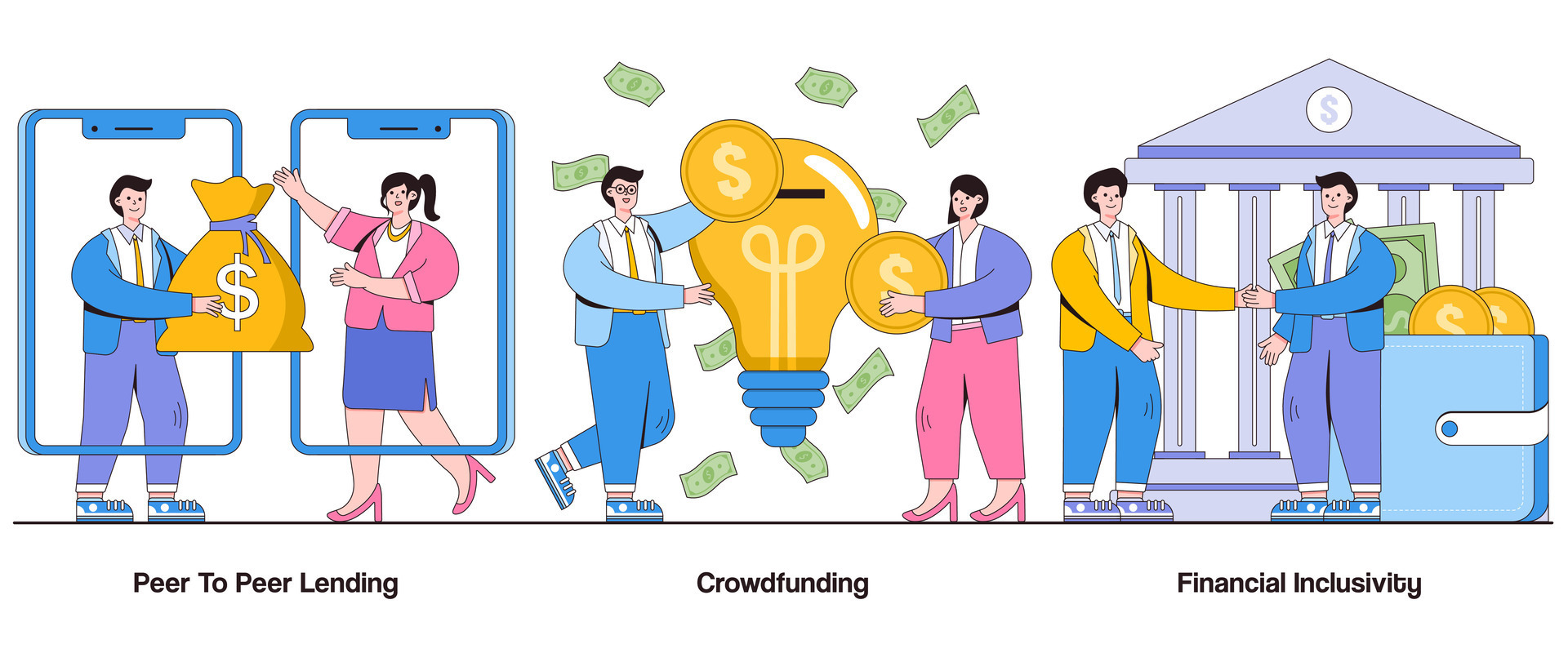
Crowdfunding & P2P Lending: A Primer
Crowdfunding and peer-to-peer (P2P) lending represent alternative financing models that bypass traditional intermediaries such as banks and venture capital firms. Crowdfunding involves raising small amounts of capital from a large number of individuals, typically via online platforms, to fund a specific project, venture, or cause. P2P lending, on the other hand, connects borrowers directly with individual lenders, who provide loans in exchange for interest payments.
Economic Significance
The growth of crowdfunding and P2P lending reflects increasing demand for alternative sources of capital and investment opportunities. Data suggests that the global crowdfunding market is projected to reach hundreds of billions of dollars in transaction value in the coming years. P2P lending has similarly expanded, offering borrowers potentially lower interest rates and simpler application processes compared to traditional bank loans, while providing investors with access to potentially higher returns. This growth indicates a shift in the financial landscape, with individuals playing a more direct role in capital allocation and investment.
Practical Example
Consider Sarah, an aspiring entrepreneur with a novel idea for a sustainable clothing line. Lacking the collateral required for a traditional bank loan, she turns to Kickstarter, a crowdfunding platform, to raise initial capital for fabric sourcing and production. She offers backers various rewards, such as discounted clothing items and early access to her collection. Simultaneously, John, seeking to diversify his investment portfolio, explores LendingClub, a P2P lending platform. He carefully reviews the risk profiles of various borrowers and decides to allocate a portion of his savings to fund a loan to a small business owner, anticipating a reasonable return on his investment. Sarah successfully reaches her funding goal, and John earns consistent interest payments. This illustrates how these platforms facilitate direct connections between those needing capital and those seeking investment opportunities.
Data Analysis
| Role | Platform | Risk |
|---|---|---|
| Lender/Backer | Kickstarter/LendingClub | High default risk |
| Borrower/Creator | Kickstarter/LendingClub | Reputational risk |
The table highlights key aspects of crowdfunding and P2P lending. For lenders and backers, the primary risk is the potential for default. Borrowers may fail to repay loans (P2P lending) or the project may not be successfully delivered after funding (crowdfunding). Platforms like Kickstarter and LendingClub aim to mitigate these risks through due diligence processes and risk scoring models, however, the risk of loss remains significantly higher compared to traditional investment options. For borrowers and creators, reputational risk is a crucial factor. Failure to meet obligations or deliver promised rewards can severely damage their credibility and future fundraising prospects.
Pros and Cons
Crowdfunding:
- Pros: Access to capital for projects that may not qualify for traditional funding, validation of market demand through crowdfunding success, opportunity to build a community around a product or idea.
- Cons: Risk of failure to reach funding goals, need for extensive marketing and promotion, potential for intellectual property theft, fulfillment challenges in delivering rewards.
P2P Lending:
- Pros: Potentially higher returns for investors compared to traditional savings accounts or bonds, access to credit for borrowers who may not qualify for bank loans, simplified application processes.
- Cons: Higher risk of default compared to traditional loans, lack of regulatory oversight in some jurisdictions, potential for platform failures, illiquidity of investments.
Strategic Conclusion
Crowdfunding and P2P lending provide valuable alternative financial avenues for both borrowers and investors. However, participants must conduct thorough due diligence and understand the inherent risks involved. Borrowers should carefully assess their ability to repay loans or fulfill project obligations, while investors should diversify their portfolios and only allocate funds they can afford to lose. As the sector matures, increased regulatory oversight and improved risk management practices will be crucial for fostering sustainable growth and protecting participants from potential financial harm. These platforms are not a replacement for conventional financing options, but rather supplementary tools that can be utilized strategically within a broader financial framework.
Share this Analysis