Finance Basics: Inflation Explained
Inflation Explained
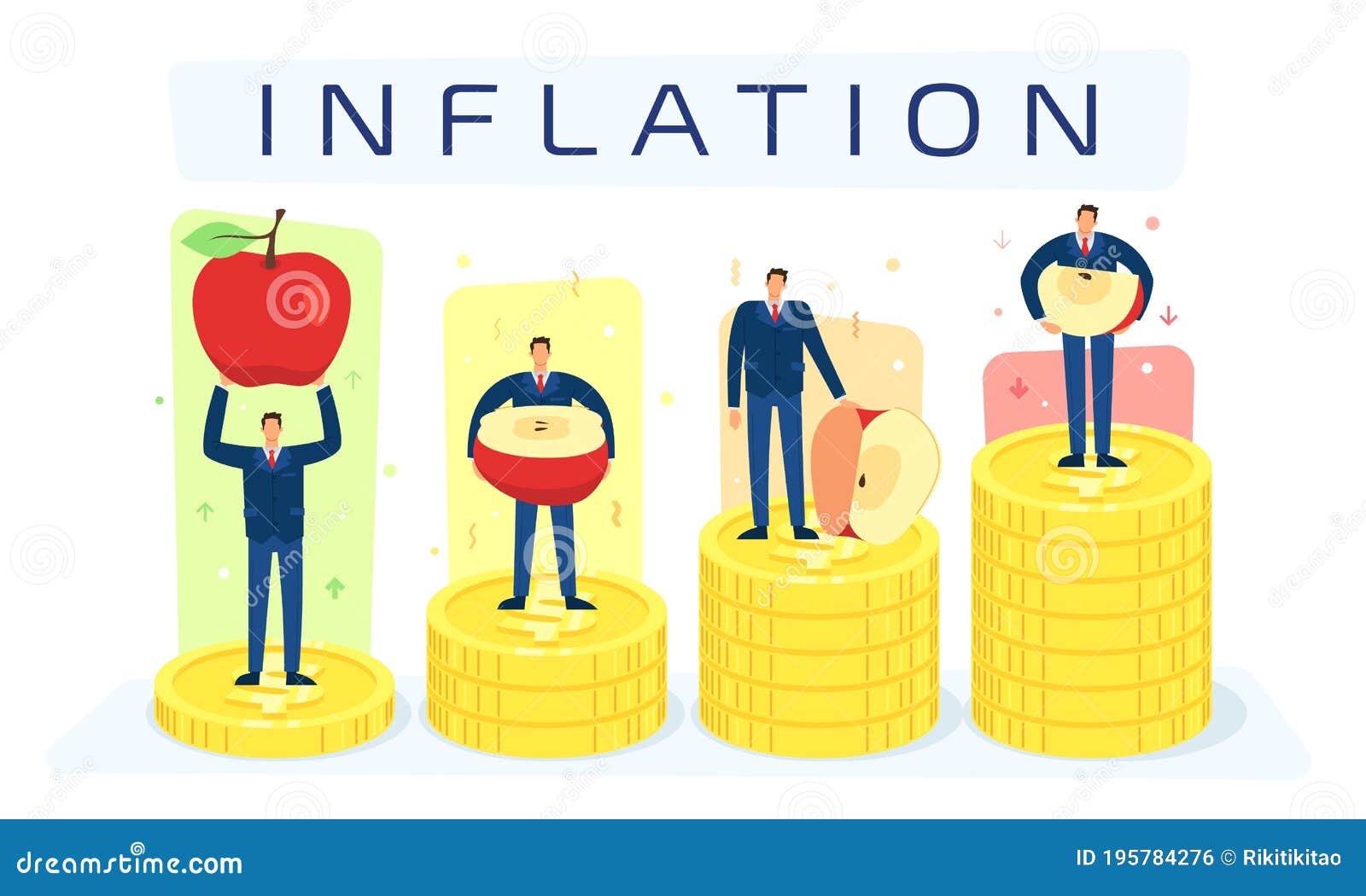
Inflation represents the rate at which the general level of prices for goods and services is rising, and, subsequently, purchasing power is falling. It is typically expressed as a percentage, indicating the annual rate of increase in a price index, most commonly the Consumer Price Index (CPI). A low and stable rate of inflation is generally considered desirable, but high or volatile inflation can be detrimental to an economy.
Economic Significance
Inflation has far-reaching implications for economic stability and growth. Persistent high inflation erodes the value of savings, discourages investment, and distorts economic decision-making. Businesses may find it difficult to plan for the future, as the real cost of inputs and the potential revenue from sales become uncertain. Consumers experience a decline in their real income, meaning they can purchase fewer goods and services with the same amount of money. Conversely, deflation (falling prices) can be equally problematic, leading to decreased spending, increased debt burdens, and potential economic stagnation. Central banks, like the Federal Reserve in the United States or the European Central Bank in Europe, closely monitor inflation and adjust monetary policy – primarily interest rates – to maintain price stability. A target inflation rate of around 2% per annum is often considered optimal for promoting sustainable economic growth. Failure to control inflation can lead to a loss of confidence in the currency and the overall economic system.
Practical Example
Consider a scenario where a typical household budget includes a fixed amount allocated for groceries each month. If inflation is running at 5% per year, that household will need to increase their grocery budget by 5% simply to maintain the same standard of living. If their income does not increase at the same rate, they will be forced to cut back on other spending or dip into savings to cover the rising cost of food. Alternatively, consider a business that borrows money at a fixed interest rate. Unexpectedly high inflation can reduce the real value of the debt, benefiting the borrower, but it hurts the lender who receives repayments with diminished purchasing power. These examples highlight the redistributional effects of inflation and the importance of managing inflationary pressures effectively.
Data Analysis
| Item | Price | Purchasing Power |
|---|---|---|
| Coffee (2000) | $1.50 | High |
| Coffee (2024) | $4.50 | Lower |
The table above illustrates the impact of inflation on a single consumer good: coffee. Over the period from 2000 to 2024, the price of coffee has increased significantly, from $1.50 to $4.50. This represents a substantial increase in nominal terms. However, the more important aspect is the reduction in purchasing power. In 2000, $1.50 represented a greater proportion of an individual's disposable income compared to $4.50 in 2024, assuming income levels haven't risen proportionally. This simple example demonstrates how inflation erodes the value of money over time, requiring individuals to spend more to acquire the same goods or services.
Pros and Cons
Pros:
- Debt Reduction: Inflation can reduce the real burden of debt for borrowers, as the value of fixed payments decreases over time.
- Incentive to Spend and Invest: Moderate inflation can encourage spending and investment, as consumers and businesses anticipate that prices will rise in the future.
- Wage Flexibility: Some economists argue that a small amount of inflation allows for greater flexibility in wage negotiations, as employers can offer smaller real wage increases without cutting nominal wages.
Cons:
- Erosion of Purchasing Power: Inflation reduces the real value of money, making it more expensive to purchase goods and services.
- Uncertainty and Instability: High or volatile inflation creates uncertainty and instability, making it difficult for businesses and consumers to plan for the future.
- Redistribution of Wealth: Inflation can redistribute wealth from lenders to borrowers, and from those on fixed incomes to those whose incomes keep pace with inflation.
- Menu Costs: Businesses incur costs when they have to update prices due to inflation, known as "menu costs."
- Shoe Leather Costs: Consumers incur costs associated with searching for the best deals and minimizing the impact of inflation on their purchasing power, known as "shoe leather costs."
Strategic Conclusion
Understanding inflation is crucial for making informed financial decisions. While a small level of inflation may be beneficial for stimulating economic activity, unchecked inflation can have detrimental effects on purchasing power, investment, and overall economic stability. Central banks play a vital role in managing inflation through monetary policy, and individuals and businesses need to be aware of the potential impacts of inflation on their financial well-being. Strategic planning, including investing in assets that tend to retain or increase their value during inflationary periods, is essential for mitigating the risks associated with rising prices.
Share this Analysis